
Why Gratitude and Empathy Drive Real Business Results
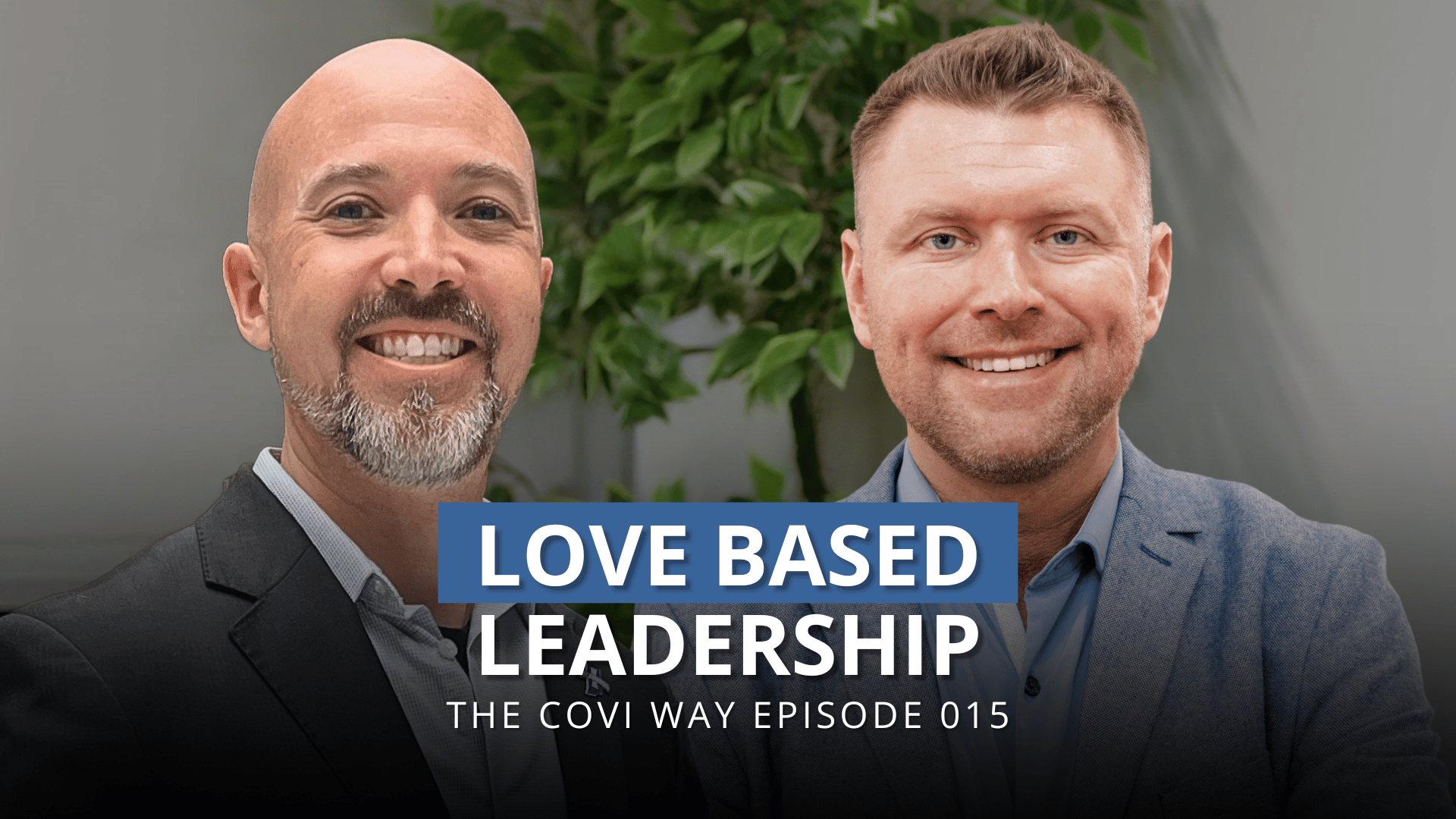
Jesse Hile brings 15 years of leadership experience across high-growth startups, nonprofits, and family businesses to his executive coaching practice at Next Level Guidance. His GAME framework—gratitude, attitude, mindset, and empathy—emerged from two decades of personal tracking and self-analysis that began with a college senior project. What started as simple happiness tracking evolved into a comprehensive approach to leadership development after Jesse faced severe depression and a heart condition that forced him to examine how his internal state affected every aspect of his life. Through intensive work with world-class coaches and a commitment to personal transformation, Jesse discovered that changing how leaders show up internally creates measurable external results.
The GAME framework challenges the misconception that gratitude and empathy are soft skills without business impact. Jesse argues these two elements form the foundation that naturally elevates attitude and mindset across organizations. When leaders operate from love rather than fear, they reduce toxic responses during high-pressure situations, improve retention, and increase productivity. The framework requires authentic implementation starting with the CEO and leadership team, as surface-level adoption creates only temporary change. Jesse emphasizes that powerful acknowledgment goes beyond quick praise—it means slowing down to specifically recognize contributions in ways that make team members feel genuinely seen. This shift in communication style, combined with personal accountability that Jesse describes as taking responsibility for everything in your environment, transforms how decisions get made and problems get solved.
The real power of the GAME framework lies in its ability to create what Jesse calls “extraordinary results” by fundamentally changing how leaders allocate their most precious resource: time. Leaders who embrace this approach report feeling like they have more time despite taking on additional responsibilities. This happens because intentional ways of being eliminate wasted energy on fear-based reactions, miscommunications, and cultural friction. Jesse’s clients have saved marriages, improved job performance, and eliminated chronic health issues by starting with personal transformation at home before bringing changes into their professional environments. The framework works because it addresses the root cause of organizational dysfunction—leaders operating in default mode rather than consciously choosing how they show up each day. For executives tired of stagnant results despite working harder, Jesse offers a path forward that begins with one question: what percentage of the time are you actually being your word?
Episode Summary:
Executive coach Jesse Hile shares his GAME framework—Gratitude, Attitude, Mindset, and Empathy—and reveals why the most powerful leadership transformations start at home, not in the boardroom. Discover how shifting from fear-based to love-based leadership can expand your capacity, improve retention, and create extraordinary results.
Key Topics:
-
Gratitude and empathy aren’t soft skills—they’re the foundation that makes attitude and mindset align naturally
-
Organizations excel at individual GAME elements, but syncing all four creates exponential ROI
-
Authentic acknowledgment means slowing down and being specific: “I want to acknowledge you for…” not just “great job
-
Most people operate at only 20% “being their word”—tracking commitments reveals blind spots
-
Transformation starts at home first; when you shift how you show up personally, professional results follow
Connect with COVI:
Instagram | Facebook | Website | FREE IT Strategy Analysis
Links to The COVI Way Podcast
YouTube | Apple Podcasts | Spotify
Episode Transcript
The COVI Way Podcast Ep. 15 - with Jesse Hile
Cody: Welcome to the COVI Way, the podcast where we break down the intersection of people and technology because I.T. shouldn’t just be about fixing problems. It’s about enabling people to do their best work. I’m Cody Lents, the VP of sales at COVI. And today I’m speaking with Jesse Hile, executive and business leadership coach at Next Level Guidance. Over the past 15 years, Jesse has been in the trenches with high growth startups, established nonprofits and even a nearly 50 year old family business. He’s seen the full spectrum, spectacular successes and painful failures. Jesse, thanks for jumping in today. I know you’re up in Detroit. How was your drive?
Jesse: It was good. It was a little long, but I wasn’t too bad. I made the most of it.
Cody: Did you start the day with coffee?
Jesse: Water.
Cody: Water? Are you an anti-caffeiner?
Jesse: Not anti-caffeiner. So I used to have a heart condition. Well, I still have it called SVT, but through a lot of my journey and everything, I have not had any issues the past two years, which has been a miracle. Basically, SVT caffeine can trigger it. In 97, during a basketball game, shooting game winning free throws, my heart went up to like 270, went to emergency room. Back then, doctors couldn’t figure out really what it was because they couldn’t identify it in time before I got to the hospital, what it was. And they just said, stay off of caffeine. So I never had caffeine since except my chocolate chip cookies. I’ll have those every once in a while. But yeah, I’m a water guy.
Cody: Oh, I mean, obviously that’s healthy. Enlighten me on how much caffeine there is in a chocolate chip cookie.
Jesse: You know, I’ve never honestly looked into it, but I think it’s minimal.
Cody: Oh, well, that’s good. I am not a huge chocolate chip cookie fan, but I’m assuming that that extrapolates to oatmeal raisin, which would be my downfall. Thanks for jumping in. I know that you and I have worked on a few different things together. You’ve helped out COVI a few different times with things here in the recent past. I just wanted to bring you on to talk about the framework that you use and your journey to get where you are today with your executive coaching engagements. And I know that the main framework you use you call GAME. And I just wanted to get the story behind the beginning, the middle, and when you landed on the framework and how you use it.
Jesse: Yeah, no, that’s a great question. It’s fun. I’ve never been asked that and brought into it this way. You know, it really has developed over the past 20 years. So I credit it all back to my senior project. I started this happiness tracking back in 2005. Basically, there were like four pillars of personal, professional, financial, spiritual community that I would measure and gauge monthly. It actually went on the past 20 years. I still do it to this day. But what was interesting was in 2006, you know, I never was the one to really believe in depression, but it really hit me like a ton of bricks and severely depressed and, you know, it caused anxiety and panic attacks and everything else to where, you know, I almost jumped off a parking garage.
You know, this was interesting to see over the years. I think it was a few years ago. I sat down and I was like, man, I’m curious to what this happiness tracking that I’ve been tracking each month. Like I would measure it on a scale of zero to 10. And keep track each month of which one, like if it was at three out of a 10, I’d make a little note why. And a few years ago, I was like, this would be cool to see on a bar graph and on this chart that I saw, could see the ups and downs, peaks and valleys, and the valleys I could really identify and then correlate back to, well, that was when I was high anxiety or panic attacks, or this was when I was severely depressed. And over the years in analyzing that and moving forward, it’s really helped me mitigate being stuck in my default mode of how I used to be or how I used to get in these ruts and stuff. I’d say three years ago, my own executive coach, Darrell Sweeney, and he’s been working with Ankush Jain and Steve Hardison Group and all these world-class coaches, just like top coaches in the world. And their philosophy in coaching has really, one, attributed to what I mentioned earlier with my heart condition, SVT, this powerful movement of being and my document process that’s really eliminated any heart, like I haven’t had any heart issues the past few years and it’s been incredible because it’s sort of like the hiccups, right? Like you have those, then they go away and it’s like saying, they come back, like, where is it, where to go?
And definitely not discrediting like medicine or therapy or counseling. Those are all much needed resources. But it’s amazing not to have to rely on those and be in total peace, calm and clarity and focus. You know, and so, you know, I created this framework of GAME of gratitude, attitude, mindset, and empathy just because of all of my past 20 years of experiences through nonprofit organizations, high growth startups, early stage startups. I’ve seen all the good, bad and the ugly of them all and the toxic cultures, good cultures and bits and pieces of it. That’s sort of how I’ve come to it. And I’m excited to be at this point to where I can really start to implement this in with organizations.
Cody: Yeah, that’s awesome. I think your senior project helped you establish a baseline and then you diligently kept tracking the data that allowed you to basically be a data analyst for your psychology, which is a very interesting and somewhat serendipitous or lucky circumstance you fell into there. Not the heart condition part of that, obviously, but you said the last two years or so you haven’t had any type of irregularities.
Jesse: Correct. Yeah. It’s been incredible. I don’t know. Just an illumination feeling. It’s really good.
Cody: Yeah. You think that’s because basically your peace of mind or balance or whatever trendy catchphrase you want to throw on it?
Jesse: Yeah. So there’s this book written by Amy Hardison, Steve’s wife, called The Ultimate Coach. And he touches base on this my document that he does and has done with his clients. And, you know, my coach, Darrell, brought me through that process and I single handedly handed to that to where, you know, I deep dive coaching individual that I did with them, but it’s really a declaration of who you’re being in this world and who you declare yourself to be and really living to that. And it’s sort of almost like reprogramming your mind, you know, from zero to 18, you learn all these skills and habits and it sort of becomes your default mode. And you’re like, well, I’m always like this or like that, but, you know, shifting your language, shifting the words literally coming out of your mouth and declaring actually who do you need to be to create the life moving forward. You know, I have it printed up on my desk and I read it every morning just to sort of self reboots and, really stick to it. And so it’s, it’s really has created that piece, that clarity, just each and every day. Am I perfect at it yet? No, but you know, I strive to be each and every day.
Cody: So that’s awesome. Can you extrapolate that into the professional space with an example or someone you’re working with now and how you’re able to implement GAME?
Jesse: Yeah, I mean, I would say literally in real time how I used to be and how I used to respond if something would frustrate me or tick me off or, you know, you get in those situations, right? It’s not going your way and you just get short, few short tempered. And this has allowed me in real time to identify in those situations now to respond a lot differently and respond differently with the language that I’m using, more so, you know, not coming from a place of fear. You know, whenever you get those anxiety or their stress or anger or short fused, you’re coming from a fear based, right? You’re like, oh, this isn’t going the way we’re going to be behind, you know, we’re losing time, we’re losing money, all this stuff and you respond from a fear-based mentality. That’s what causes misunderstandings or this frustrations that you have and more so approach it now in real time of coming from a place of love. And when you do that, and it doesn’t mean like all flowers and everything’s perfect and everything, but when you approach it differently from a place of love at all times in those situations, it can alleviate so many different misunderstandings and outcomes and you can literally control the environments that you have and create a lot less of a toxic environment in those situations and get a lot more productivity from it. And also, you, you, especially for leaders, you reduce the risk of, you know, making that employee feel on tension and ease and getting burned out and quitting and improving your intention rates. And there’s a lot of other positive side effects from that.
Cody: So framework is basically like a culture tool, it’s also at like each different level of the organization. It’s not just, it’s holistic, but it’s almost departmentalized and individual all in one framework.
Jesse: Yeah, I know. Absolutely. The most important thing though, as most people know, I mean, it stems from the CEO or the leader of the organization. You, they have to be bought into this. They have to go through it and live and breathe and sleep it as well. Otherwise you’re just creating a band-aid, a temporary band aid, you know, for the time being. If all leadership is bought in and they’re doing it, it goes all the way down to every single individual employee.
Cody: So what happens if like one or multiple elements of GAME aren’t there?
Jesse: And that’s a great question. So I can say I’ve never seen any organization execute fully on all four yet. You know. I’m sure there’s many organizations out there that I’d love to work with and love to work with me that could start to instill this. Collectively, I’ve seen organizations do and excel really well on each of those factors and each of those attributes. But if you got all four in sync, the ROI on it alone will be night and day difference of where you’re currently sitting right now as an organization.
Cody: Do some algebra with GAME if that’s okay and ask like what if an organization has, it’s like excels at empathy and excels at gratitude but attitude and mindset are less than or subpar.
Jesse: It’s funny you started with those two. I feel that the two most important ones are the gratitude and empathy. And people confuse I think gratitude and empathy a lot and just think it’s soft skills or what have you. But those two by default make the attitudes and mindsets where they need to be. And I think they’re the single most two important factors of any organization to have because especially starting with the self, it starts with you and grows from there. And so if you have those two, you know, what that also creates is another practice to go along with the gratitude aspect of it is acknowledging, you know, powerfully acknowledging each and every person for their work and, really getting good at not just like, hey, you’re doing a great job, like really being thoughtful about how you’re acknowledging it and being very thankful for because, you know, when you look at it, and I’ve been very fortunate to work with some incredible innovators, incredible leaders who’ve done amazing things. They all very much have a similar, if you’re familiar with the predictive index, similar to disk or Myers-Briggs, a lot of CEOs I’ve noticed have a very high A and low D, not my way or highway, but very visionary and out there and very unstructured and just like, got to get this done. They’re very driven and not every single employee is going to have that exact same profile.
And so sometimes that gets lost or forgotten. But you know, if everyone can get aligned on the gratitude and empathy side of things, that’s one thing common denominator that could really start to see those improvements or see those gaps within your organization come together.
Cody: Gotcha. That, that was a, it was kind of funny that I picked the two that you, you had purchased. I’m sure I have a question in my interview notes that is like, what’s the most important one? We’ll see when I get there. I don’t usually over structure these conversations. What if we flipped it? So what does an organization look like? Well, let me ask this question first. You had alluded to this in what you just said, and I would love to just dive a little deeper into it. And can you give me an example of developed an intentional gratitude versus duty-bound and less impactful gratitude. Because you made it clear that this has to be a true state, it has to be authentic. And I think it’d be really beneficial for the leaders that jump in and see these clips of this on LinkedIn or see these on our podcast channel to know, hey, this is what authenticity looks like and this is some red flags on when it’s kind of being forced.
Jesse: Yeah. You know, force maybe a harsh word. You know, I think people are genuine and especially, you know, your leaders that are moving a million miles an hour and have their hands in a lot of things and overseeing a lot of things to where it’s like, Hey, great job. Well done. And stuff like that. That’s still heartfelt. But I think going a little above and beyond and maybe, you know, practice, I challenge you to practice it today with someone and really pointing out and starting with, you know, Hey Cody, I want to acknowledge you, you know, for setting this up. This is extremely, you know, amazing opportunity. I’m so thankful for you. You know, this is just, you know, means football here, but you know, really starting off of intentionally saying, Hey, I want to acknowledge you and then go from there. And, you know, that alone and slowing it down could really start to shift people, making them feel a lot different in a different way. Some people need more of that cuddling or recognition and everything, but everyone always appreciates it. You can’t go wrong when you’re starting off that way with someone with the conversation. And even if it’s a situation where you’re behind on revenue sales or you’re behind on something, come in and acknowledge them in the work that they’re doing or your team or that individual, and then go into, you know, and pause and wait and see what they have to say. So just really being authentic and slowing down and more thoughtful around the acknowledgement with the individual could really start to create more of an impact for your organization.
Cody: Yeah. It was intriguing in the answer you just gave as a Sandler trained consultant and salesperson. Like there’s so many little Sandler mechanisms in what you just said, like matching and mirroring and slowing down and wait to see what they say. The like the pause in between it is been an enlightening experience to see how in my construction days and in my early days as a salesperson, what was sales tactics to get to particular outcomes have really just become like good human behavior, like gratitude or empathy. And so I’ve never heard it in an executive coaching conversation like this before. And I’m just connecting dots over here from my experiences. Can you? You said sometimes gratitude and empathy are just seen as soft skills. Can you provide us some clarity on like, yes, those are soft skills. That’s a documented thing. But when you’re using them in this framework, what is different than just good human behavior from a gratitude and empathy perspective?
Jesse: That’s a great question. You know, there’s a certain power of truly believing and using it in your daily life, of approaching something from love, from gratitude, from empathy that a lot of people miss out on. And when you’re really living it and breathing it and holding yourselves to the highest accountability and highest standards for yourself at home first, you know, that will start to bring it into your professional and your organization. You know, when you can start with yourself and it’s all about who you’re being. You know, when I first started going through all of this, this whole being movement with my coach, Darryl, you know, was like, man, if he says being one more time, I’m going to freak out. But, you know, I truly understand it now and it’s becoming even more so. Like I’ve invested, you know, tens of thousands of dollars into myself and self-learning and through this network of world-class coaches that I’m learning from to where I’m excited to go to one of these coaching schools that I just started for the next six months and over in London. And, you know, it really is truly all about that starting with yourself. And when you start to do that and implement it at home, not only does everything shift at home and you don’t even have to tell anyone that you’re doing it.
When you start being it and truly diving into that, people start to notice and they shift themselves. They’re like, wow, he’s totally showing up different and people look at you more so as a leader. And it’s very important to know that when you start to realize that and understand it, it’s 100 % you and that accountability. I use an extreme analogy, I might’ve shared this with you before, but with a lot of people I work with, we’re sitting here right now and an asteroid comes down and blows up the house and my arm gets blown off, I take responsibility. That’s my fault for not being so aware. And I know that’s an extreme analogy and stuff, but holding yourself to that accountability and who you’re being and showing up each and every day, every single word that comes out of our mouth, it creates and it creates the environments that we’re in. If you really want to see a ship, it’s starting with yourself with those two things.
Cody: So I’m going to scale back into an active listening exercise here. I heard you say start at home and that’s where it basically gets branded on your DNA. So now you have authenticity wherever you’re going with it. And I think the way I interpreted what your answer to the question was that like they are soft skills, but they’re soft skills that create professional output because it sets you apart or it just skills you up as a leader. And I hate using the word skill up because that sounds like tactical skills. But it is, it’s something that allows you to be more effective with every lever in the organization that you’re pulling. Whether that’s revenue or culture or both or vision, being able to show up in a real way with that in yourself or in your being allows you to steer and direct and guide the organization the way that you’re intending to.
Jesse: 100 percent like it starts to allow you to create extraordinary results like almost miracles.
Cody: Do you have an example of that? Like I particularly would prefer like a like a project, like a smaller level of it. But anything you have or it’s an example of like somebody changed the way that they show up in the world because they changed the way they show up to themselves and then the measurable output that that had in an organization over time.
Jesse: Yeah. And trying to keep everything as confidential as possible. I had a client come to me, they’re in a situation, where if it was stemming from work and how they were showing up at work, but was didn’t, you know, starting to seep into home life and, you know, as an individual, I’ve always looked up to as a leader and never thought in million years they would ever reach out to me for anything like this. But it’s allowed them to really, you know, save their marriage, save, you know, how they’re parenting and also, you know, got rid of and eliminated the fear of losing their job of, you know, what was going on there as well. I wish I could get more specific on that, to give you a little flavor of that, they were also, should I do medicine? Should I go see a counselor? All of this, which are all again, great avenues and sources, but that was uncomfortable for them. And they’re like, where can I really begin? And so when they started implementing and beginning at home and shipping that, you know, everything professional in the personal world started to get a lot better. And so, again, you know, as a person, I never thought in million years that would ever, you know, reach out for something like this, but being vulnerable and sharing my story allows people to, and that’s another, another reason I really love the work that I do, and starting to do more because I’ve had my own executive coaches at, you know, a startup where it’s a total non-biased, non-judgmental third party where I know it’s not going to get back to HR type of environment. You know, you can have internal coaches, but are they going to report me to HR? You know, it’s just, one of those things that it’s a, creates such a trust and non-judgmental free zone for that individual to really open up and get out of their own way of, you know, the fears that have overtaken and consumed them.
Cody: So it’s continuing the narrative that this individual changed themselves because they wanted to. They had that willingness and desire to show up in a different way in their mind and show up in a different way in the space around them that led to a better house and home that then led to a better professional environment. And I’m assuming that also helped with their professional performance is what you were alluding to with that answer. Is that right?
Jesse: Yep, absolutely. And you know, it’s not me doing the work, it’s them. And to your point, they are wanting the change. And you know, from my own personal experience, hindsight looking back, I had all the support in the world. At then, I didn’t think I had any support. You know, because you’re just so clouded, your mind’s very powerful and can take over a lot of things. But you know, it was me really that came down to at the end of the day that truly wanted change. Like how can I change this and wanted it? And I would literally do anything. There’s not a price tag in the world for how I feel right now, especially with my heart condition, I’ve had my whole entire life. So, you know, it’s just, it’s just a matter of, you sick of being in default mode and have things been stagnant for five years, 10 years, 20 years, you know, and what do I got to do to change it? And having a space like this with someone can help. You know, you see it different perspectives and open up and see your blind spots that you’re missing.
Cody: That makes sense. I know you work with teams too. So have you ever come into a situation where you had someone who wasn’t wanting to change or willing?
Jesse: Oh, absolutely. Yeah. Most cases they come around, but you’ll still have your people. This isn’t for me. This is just whatever. And that’s the victim mindset. When you fully get out of that mindset and take full ownership of everything, that changes everything in itself. Again, it comes down to you want to make that change and you want to stop being the victim. There’s people I know that have been through things I can’t even fathom or 99 % of the world couldn’t even fathom going through anything like that. But they made the choice to stop being that, stop playing that victim card and they’re starting to create amazing things out there. I mean, I can’t even describe this one situation that I know of, just how horrific and incredible how far this individual has come, especially raising kids on their own in their situation. It’s just mind boggling, but I strongly and truly believe everyone’s fully capable of doing it in this network that I’m part of the coaches. There’s this world-renowned doctor, Belvins, I think is his name, but he’s worked with psych ward patients and has cured them without medicine. He’s a psychologist, but also a coach. And he’s in his 80s and he’s dedicated the next 25 years of his life to helping people. Just an incredible human being. But it’s fascinating to all at the same time to where, you know, again, if that person’s in working with that individual, if you approach them with just love, they’ll start to open up.
Cody: I want to ask this question in a way that’s least offensive as possible. But a lot of the words you’re using, a lot of people would say they’re like frilly or frou frou or whatever, probably other F word that is appropriate that they would say. Related to that is that where you get your pushback sometimes from individuals that are less bought in?
Jesse: You know, not really I I personally exactly like you before I even started down this really deep deep learning I’ve been doing I felt the exact same way like all this bullshit, you know, like, you know, that’s whatever I don’t need this like that’s just that’s silly, you know but I you know, the more I understand it and everything like it’s been a lot more open arms than I anticipated it would be just because of how I’m showing up in the things that I’ve been doing and working on. Those individuals have started to notice and that’s what really started to pique their interest more in the work that I’m doing and stuff to just by me and who I’m showing up as each and every day.
Cody: You’re an example of GAME. You’re an example of your air quotes product. And so when you show up, even if they have those types of guards up or those types of perceptions, just because you are operating that way, you’re starting to break those down and letting them engage the framework in the process as well. Right. That’s that’s pretty golden. Do you remember when you first realized that that was how it was happening?
Jesse: I’d say the past two years definitely when I’ve been challenged by my own coach to take action and implement this and do it. I struggled with prior to all of this, I’d say three years ago and beyond that with politics and how people, you know, and not to get into all of that, but I really struggled with and just didn’t understand and would get down these rabbit holes, you know, with people. And when I look back at it, it’s like, it’s just, that’s not a way of being. And when I started to shift me personally and how I respond to things in the conversations I have around it all, people are like, oh, who’s this Jesse? This isn’t a Jessica I remember now. But that’s just one personal example. And even, I love this question. And I’ll ask you, what percentage of the time do you feel you’re being your word?
Cody: That’s a good one. I immediately thought you were gonna say you’re being yourself. But you’re saying you’re being, and when you say word, you’re asking what percentage of time do you think that you are being who you want to be basically or who you say you are? Or the commitments that you make, you know, like so the commitments and your being your word, whether it’s, you know, committing to this meeting or, I’m going to follow up with you. Like what percentage of the time do you feel you, you know, execute on that?
Jesse: Yeah. Yeah. I mean, you can take that to a small task level all the way up to like you were talking about earlier parenting. I don’t want to dodge the question. I feel like I need to spend a lot more time thinking about it to make a good, accurate answer, but I can confidently say at least 75%, but that I would want to be over 90. Right. And it’s so funny because my answer was 70, 80 % when I answered this. And there’s, I, and I don’t know off the top of my head, the statistics, but on app, it’s 20%. Every person is 20%. It’s like, there’s no way. When you get down and you figure it out. And then I started to, you know, audit this and I look back at it and I’m like, if you start to do every single thing in your life, if you’ve been asked to take out the trash, you know, from your wife or your partner or, you know, asked to do this chore or asked to send this email or whatever it is, those little things start to add up. And I can be like, okay, that lower my score a little bit there. And so, you know, one thing I’ve really worked on and work with my clients and with my coaches is being a word BMW. And that’s in that book too, of Steve Hardison’s, but, you know, really putting that into action and putting that into place. And again, that goes down to who you’re being and being your word. And when you start to, you know, do all of these things and pull all of the things students together, and things just start to shift and the game that we’re playing just starts to astronomically get your ROI that you’ve always wanted.
Cody: And I’m just thinking of like, I feel like every in general, but definitely professionally oriented self-help type book I’ve read in the past five to 10 years. So like say no to more and yes to less. And if you are understanding that you’re gonna show up 99, 100 % of time as your word, then it’s easier to say no, because you know you have to meet that commitment. And like just how that all works together and looking at the way that you have tied that into GAME through the whole process.
Jesse: 100%. I wanted, I want to ask the question.
Cody: For someone who, whether it’s professional or personal focus, for someone who like hears this because I talk about it or sees it on LinkedIn or whatever, and they say, man, I really need to get started with something like that. What do you recommend is the first step to start to basically break that default mode network in their neuro firings and get started into that deep work?
Jesse: One, acknowledging it yourself. That’s huge. Understanding and be like, I’m ready for this change. I’d strongly, read The Ultimate Coach. That’s just a really, and I know everyone’s book list is a million books tall, but that one alone will just start to get you in a different frame of mind. But yeah, really just acknowledging it and wanting to take action. Like what’s that look like? How can I start to change this for myself?
Cody: That’s good. So you just become aware and intentional. And everyone has good intentions, right? But it’s the commitment to it. You know, for the longest time, I’m like, I want to be an executive coach. I want to be an executive coach. And I just didn’t know where to begin or start. And, you know, I start reading and I start doing this. But, and then, you know, when I really looked at it, it’s like, how can I bring someone to even a deeper level and provide that value and ROI they’re looking for if I’m not doing it myself? So that’s when I started looking into coaches personally for myself, but that investment was significant. I’m like, man, I can’t afford this. Like there’s no way right now. And that was my story all along. I can’t afford this. And, you know, really to get started, to be transparent, you know, I, on one of my vehicles I had paid off, I was trying to come up with the cash to pay my coach because he charges upfront annually for the entire year. And so, you know, I went and got a lien out on my paid off vehicle to pay him. But my ROI on that within three months, it was paid off. So, you know, but I realized what it did for me and it was never like he was like pinning me down. You have to do this, have to do this. You know, we were set up every two weeks to, you know, meet and coach with each other. But I’d want to show up every two weeks and it held myself to accountability, even at a much larger scale because I invested like that was a large chunk of change I’ve invested in myself and I wanted to make the most of it. So it allowed me to take a lot more action, you know, each and every day as opposed to just I’ll get around to it and then year or two years or three years goes by, it’s every two weeks something incredible. Because I want to show up and be like, dude, listen, this is what I’ve been working on. Check this out. And he’s like, man, that’s incredible. And then he would challenge me and be open to it. It’s not that I have to do it or sign me. But it’s always like, would you be open to this challenge or to this homework assignment for the next two weeks or month or when you want to put a deadline on it and start to get creative with each other to where the results that you start to see for yourself that you’re creating for yourself. You know, Darrell isn’t doing it for me. Unkush isn’t doing it for me. It’s just, it challenges yourself and holds yourself at much higher standards when you’re committed to it. So it’s not just intentionally doing something, but it’s fully committed to it.
Cody: Yeah, I hear you. We would normally wrap up our conversation with a tech tip. So I’m just going to say right now, the tech tip of the day is to read the ultimate coach. And we’re going to bypass that because I want to ask another question or two with the time that we have. The first one is. And this might be a tech tip in and of itself, to be clear, but you’ve talked about auditing your percentage to figure out it was 20 percent from when you’re showing up as your word and you’ve talked about looking at the data points of how your emotional optimism or pessimism was fluctuating over time. And that sounds really overwhelming. And for someone who’s already juggling a nine to 14 hour workday and running kids to sports and showing up for their partner, I know that executives have a really hard time making time for things because it’s the most limited and finite resource that we have. What would you say to someone that was like, I just don’t have time for this.
Jesse: Time for tracking it or time for coaching?
Cody: Time for, I mean, sometimes tracking it, but for time to start to do the work. I can tell that you spend time looking into what your behaviors are doing, what the reality of your situation is. And then you’re recalibrating your internal ecosystem based off of the results you’re seeing in a very almost data oriented approach. And I know we’re talking about emotional work. But I know people that I levels with all the time that would just say, that sounds like four hours a week I don’t have.
Jesse: Yeah. No, that’s great. It’s funny because I would say for 18 years of track, the first 18 years of tracking, right? Had I known that this way of being was available to me at all times, like now, then I would have saved 18 years of those ups and downs and peaks and valleys of my life. Like I’ve condensed those 18 years down to, I don’t have to worry about tracking it, even though I still do, because I’m curious and I’ve done it for so long. I don’t have to worry about doing that because I know who I’m being each and every day. And so that alone, slowing down for especially the first year of coaching with my coach, Daryl, slowing everything down and really establishing who I’m being, who I’m showing up with each and every day and continuing to improve that way of being moving forward, which I’ve now done, you know, consecutively for the past two and a half years has astronomically sped up so many more things and aspects in my life. And it’s not time at all being taken away or, you know, I, I’m involved with many things right now. And people are like, Oh, how do you have the time to do all of this stuff? And I feel I have more free time than I’ve ever had in my life. And I’m doing three times more than what I used to be doing. So it’s really going back to that sort of slowing down to speed up type of way of being. But when you truly start to figure out and hone in on, again, I’m gonna sound like my coach, being, that’s where the real true stick curve comes into play because it’s not a matter of questioning of, I don’t have time to do this anymore because you’re doing it, you’re being in and living it.
Cody: Yeah. So, yeah, that makes sense. So that’s GAME is creating a better life for people and thus creating better output for them, but also creating a, I have to change that also expanding their bucket of time.
Jesse: Yeah, because because they are able to operate more efficiently in little ways, do more, be more intentional of what they’re saying. Yes, to like all these little things we’ve talked about today. And I’m sure we’ve just touched the surface of that bucket. So, yeah, that is that is really great.
Cody: Yeah. And also, you know, check out, you know, my coach is Daryl Sweeney. He’s based out of Montana. And he has his weekly videos of Bending Time with Daryl. It’s great. I love what he’s created there, but the work he’s doing, what he’s creating is really awesome too. But yeah, it’s literally bending time and creating more time. You know, it’s for the people who love systems and processes, it’s literally creating system and processes for, you know, all aspects of life. And it’s not, you know, what you think of like pen and paper, you know, I got to do this, like it’s literally, you know, self systems and processes that get you to where you want to be and get you way more into this creative mindset and creative mode.Jesse: I’m glad you said creative because it does sound systems and processes usually sounds like the opposite of creative and you’re saying it’s the foundation of creativity. Jesse’s GAME framework reveals something powerful. The attributes that drive lasting success aren’t found in business school textbooks, but in how we show up as human beings every day. The key takeaways today are gratitude, attitude, mindset, and empathy aren’t just nice to haves. They’re the actual operating system that determines whether teams thrive or merely survive. The organizations that embrace all four elements don’t just perform better, they create environments where people generally want to contribute their best work. Learn more about Jesse at Next Level Guidance.